
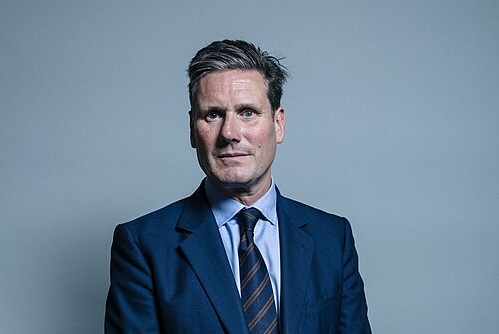
The political temperature in Westminster has reached a boiling point as Prime Minister Keir Starmer launches a robust defense of his government’s fiscal choices. In the wake of a budget that introduced record-level tax rises, the Prime Minister is pushing back against aggressive demands from the Conservative party for Chancellor Rachel Reeves to step down. The opposition claims Reeves misled the electorate regarding Office for Budget Responsibility (OBR) forecasts, but Starmer insists her decisions were vital for national stability.
At the heart of the conflict is the £26bn tax hike announced last week. While the Conservatives argue that the Chancellor exaggerated the fiscal “black hole” to justify breaking manifesto pledges, Labour maintains that the extra revenue was essential to create fiscal headroom. Cabinet ministers have rallied around Reeves, with Chief Secretary Darren Jones dismissing the idea that the cabinet or the public were misled, noting that OBR figures fluctuate until the final moment.
Beyond the tax row, Starmer is pivoting the conversation toward structural reform. He is advocating for a shift away from short-termism, promising a serious government capable of executing complex changes. This includes a controversial return to welfare reform, where the Prime Minister aims to tackle youth unemployment and disability benefits, arguing that the current system fails to support people adequately, leaving them in a “cycle of worklessness.”
The political stakes are high. Conservative leader Kemi Badenoch has intensified her attacks, refusing to back down from personal criticisms of the Chancellor and demanding a “full and honest account” in the Commons. Badenoch argues that the revelation of a small surplus in the OBR forecasts proves the tax hikes were a political choice rather than an economic necessity, framing the government’s narrative as dishonest.
Despite the uproar, Labour is banking on the long game. They highlight that the bond markets have responded favorably to the budget, bringing borrowing costs down to yearly lows. However, public sentiment remains skeptical; polling suggests that the majority of voters still question the Chancellor’s competence. For Starmer, the challenge is now to turn market stability into tangible economic growth before the next election.