
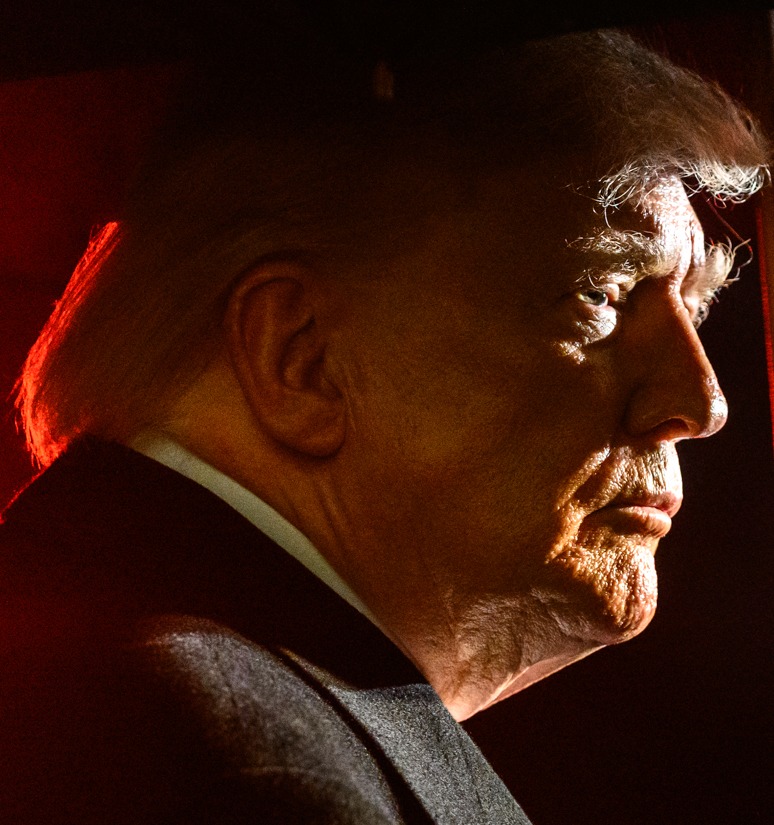
In a recent announcement, U.S. President Donald Trump revealed that China has agreed to purchase 200 Boeing aircraft, a number significantly lower than analysts’ expectations, which led to a 4.1% drop in Boeing’s stock shares on Thursday. Specific details regarding the timing and types of jets to be delivered were not disclosed. This purchase is notably less than the approximately 500-plane deal that was reportedly discussed ahead of the meeting between Trump and Chinese President Xi Jinping.
The anticipated large order from Boeing was among several business agreements expected to emerge from the summit between the two leaders. The meeting was also closely watched for its potential to extend a delicate trade truce established last October. That truce had seen Trump suspending substantial tariffs on Chinese goods, with Xi in return easing restrictions on global supplies of critical rare earth elements. The White House has yet to comment on the market’s reaction to the aircraft order announcement.
Sources indicated that the initial discussions involved 500 Boeing 737 MAX jets and possibly additional orders for more costly widebody aircraft following the summit. Concurrently, China has been negotiating a similarly extensive deal with European aerospace giant Airbus, reflecting the intense competition between the two manufacturers for dominance in China’s aviation market, the world’s second-largest. In recent years, Airbus has gained a majority foothold in this market, even establishing an A320 final assembly facility in Tianjin to bolster its presence.
China’s burgeoning travel demand necessitates the procurement of up to 1,000 new airplanes immediately, according to many analysts, with projections from both Boeing and Airbus indicating a need for at least 9,000 new jetliners by 2045. The last significant Boeing order from China occurred during Trump’s visit to Beijing in November 2017, when China committed to purchasing 300 jets. Relations have since deteriorated, and Boeing has secured just 51 orders, mostly for cargo aircraft, since that time.
Historically, China has used diplomatic summits to make high-profile aircraft order announcements, which often reflect the prevailing political climate as much as the actual contractual agreements. Aircraft purchases by Chinese airlines require central government approval and are frequently tied to diplomatic engagements, with the specific airline operators often becoming clear only closer to delivery. American executives, including Boeing CEO Kelly Ortberg and GE Aerospace CEO Larry Culp, accompanied Trump to China, aiming to finalize deals or address ongoing disputes. Ortberg recently expressed reliance on the Trump administration’s support to finalize a major agreement with China.