
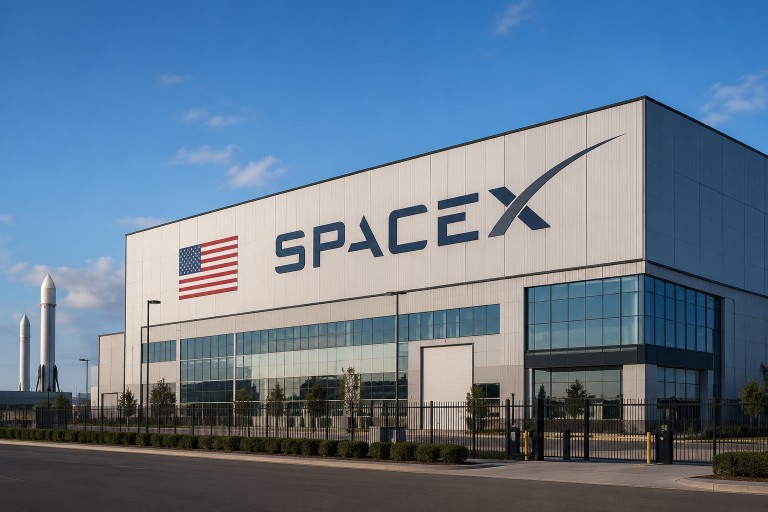
SpaceX, the renowned aerospace company, saw its stock dip below its initial public offering (IPO) price for the first time, closing at $134, a 1.5% drop from its $135 listing price. This decline follows the company’s historic IPO, which had temporarily elevated its market valuation to more than $2.6 trillion. The recent stock performance indicates a shift in investor sentiment as they reevaluate the company’s valuation amidst concerns over substantial investments in artificial intelligence infrastructure, increasing debt levels, and potential hikes in U.S. interest rates.
In a strategic move to bolster its technological and infrastructure projects, SpaceX recently secured $25 billion through a bond offering. Market analysts attribute the stock’s decline to a mix of profit-taking after a robust IPO debut and a general reassessment of the high valuations seen among tech giants. Despite being part of the Nasdaq 100 index, SpaceX shares have shown continued signs of weakening.
As SpaceX transitions into its new phase as a public entity, investors are keenly focused on its first quarterly earnings report, anticipated in early August. This report is expected to provide critical insights into the company’s financial health and operational strategy. Additionally, attention is drawn to the upcoming partial expiration of the IPO lock-up period. This event could potentially increase the selling pressure on shares if early investors and employees decide to liquidate some of their holdings.
The company’s forward-looking initiatives also play a crucial role in investor confidence. Of particular interest is the anticipated Starship test flight, seen as a pivotal milestone. Successful advancements in this area are deemed essential for reducing launch costs, thereby laying the groundwork for SpaceX’s expansive goals, which include ambitious lunar missions and the development of advanced space infrastructure.